Posts

Exploring the Versatility and Durability of Plywood Door Skin

Image
In the realm of interior design and architecture, the choice of door materials significantly impacts the overall aesthetic appeal and functionality of living and working spaces. Plywood door skin, a popular choice for modern interior doors, has gained prominence for its ability to combine the natural warmth of wood with the durability and versatility of plywood. Understanding the unique characteristics and applications of plywood door skin is essential in making informed decisions that align with the design preferences and functional requirements of contemporary living and working environments. Let's delve into the intricacies of plywood door skin and explore its significant contributions to interior design and architectural aesthetics. Natural Aesthetics and Warmth: Plywood door skin captures the natural beauty and warmth of wood, providing an inviting and timeless appearance that complements various interior design styles. Its authentic wood grain patterns and textures create a c...

Is Security Glass Safe? Understanding the Balance Between Protection and Practicality in Modern Architecture

Image
In the realm of contemporary architecture and construction, the implementation of security measures has become increasingly crucial to ensuring the safety and well-being of occupants. Security glass, designed to withstand various forms of impact and forced entry, plays a pivotal role in fortifying buildings against potential threats and intrusions. However, understanding the nuances of security glass safety is essential in maintaining a balance between protection and practicality, thereby creating secure yet functional architectural designs. Let's delve into the intricacies of security glass safety and explore its role in fostering a secure and welcoming built environment. The Principle of Safety in Security Glass Security glass is engineered to provide an additional layer of protection and resilience against forced entry and impact. Its unique composition and specialized manufacturing process contribute to its ability to withstand various levels of stress and force, minimizing the...

HPL Exterior Wall Cladding Panels: Merging Beauty and Performance

Image
The exterior of a building is more than just a protective shell; it's a canvas for architectural expression. A well-designed exterior not only enhances a structure's aesthetics but also plays a vital role in protecting it from the elements. High-Pressure Laminate (HPL) exterior wall cladding panels have emerged as a dynamic solution that combines beauty and performance to create visually stunning and durable facades. In this article, we'll delve into the world of HPL exterior wall cladding panels, exploring their attributes, benefits, and their impact on modern architecture. Unveiling HPL Exterior Wall Cladding Panels What Are HPL Exterior Wall Cladding Panels? HPL exterior wall cladding panels are composite panels constructed from multiple layers of kraft paper impregnated with thermosetting resins and fused together under high pressure and temperature. The outer layer is adorned with a decorative paper that can mimic various textures, patterns, and even natural materials ...

A Comprehensive Guide to HPL Cladding Installation

Image
High-Pressure Laminate (HPL) cladding has emerged as a popular choice in modern construction and architecture. Known for its durability, versatility, and aesthetic appeal, HPL cladding provides not only a protective layer but also a visually striking element to buildings. In this comprehensive guide, we'll take you through the step-by-step process of HPL cladding installation, highlighting key considerations and best practices. 1. Preparation and Planning Before embarking on any cladding installation, thorough preparation and planning are crucial. Begin by assessing the building's structural condition and ensuring that it can support the weight of the cladding panels. Obtain accurate measurements of the surface area to be clad and calculate the quantity of HPL panels needed. Consult with architects, engineers, and installers to create a detailed installation plan that covers all aspects, from material selection to safety measures. 2. Material Selection Selecting the right HPL p...

Exploring the Advantages of Using Laminated Safety Glass

Image
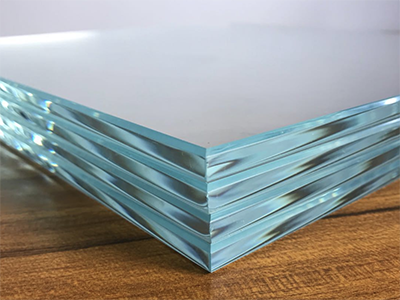
In the world of modern architecture and automotive design, safety is paramount. As a result, innovative materials and technologies have emerged to ensure the well-being of occupants and users. Laminated safety glass, a remarkable material, has gained popularity for its exceptional properties and benefits. From towering skyscrapers to sleek automobiles, laminated safety glass is a key player in enhancing both safety and aesthetics. What is Laminated Safety Glass? Laminated safety glass is a composite material consisting of two or more layers of glass bonded together by a layer of polyvinyl butyral (PVB) or other interlayer materials. This composition creates a sandwich-like structure where the interlayer acts as a strong adhesive, holding the glass layers together even when shattered. This distinctive construction sets laminated safety glass apart from traditional single-pane glass or tempered glass. Advantages of Laminated Safety Glass: Enhanced Safety: The primary advantage of lamin...

Laminated Safety Glass in Commercial Spaces: Fusing Security and Style

Image
In the ever-evolving landscape of modern architecture and interior design, the demand for safety and aesthetics has led to the adoption of innovative materials that offer the best of both worlds. Laminated safety glass stands out as a prime example of such a material, finding its stride in enhancing the security and style of commercial spaces. From offices to retail outlets, hotels to restaurants, the integration of laminated safety glass has become a hallmark of contemporary commercial design. The Unseen Sentinel: Laminated Safety Glass Defined Laminated safety glass , often abbreviated as LSG, is a specialized glass composite consisting of two or more layers of glass, bonded together with a strong interlayer, usually made of polyvinyl butyral (PVB) or ethylene-vinyl acetate (EVA). This interlayer serves as a structural element, holding the glass layers in place even when shattered. The result is a glass panel that remains largely intact upon impact, reducing the risk of injuries from...

Laminated Safety Glass: A Clear Vision for Safer Mobility

Image
In the pursuit of safer transportation, the automotive industry has witnessed remarkable advancements over the years. One such groundbreaking innovation that has significantly improved vehicular safety is laminated safety glass. This extraordinary material, integrated into windshields and windows, has redefined the concept of protection, providing drivers and passengers alike with enhanced safety and clarity during their journeys. In this blog post, we will explore the remarkable benefits of laminated safety glass in the automotive sector, its unique features, and the ways it has revolutionized mobility worldwide. The Evolution of Laminated Safety Glass The origins of laminated safety glass can be traced back to the early 20th century when French chemist Édouard Bénédictus accidentally discovered the material. He noticed that when a flask coated with a plastic cellulose nitrate layer shattered, the fragments adhered to the coating instead of scattering dangerously. This revelation led...

Olumpus: Your Reliable Source for Laminated Safety Glass and More

Image
When it comes to building materials and allied products, Olumpus stands out as a trusted and reliable source. With a diverse range of offerings, including plywood, laminates, toughened glass, formaldehyde, and more, Olumpus has established itself as a go-to destination for construction and interior design needs. Among their impressive product line, one notable item is their laminated safety glass. This innovative solution offers unparalleled safety and security, making it an essential component for various applications. Laminated safety glass  is a specialized type of glass that consists of two or more layers of glass bonded together with a durable interlayer. This interlayer is typically made of polyvinyl butyral (PVB), which provides exceptional strength and resilience. The result is a robust and shatter-resistant glass that offers enhanced protection against impact, breakage, and even forced entry. One of the primary advantages of laminated safety glass is its ability to retain ...

Choosing the Perfect Decorative Laminate Texture: A Buyer's Guide

Image
When it comes to enhancing the aesthetics of your living space, decorative laminates are a popular choice. These versatile materials offer a wide range of options to suit different design preferences and budgets. One essential aspect to consider while selecting decorative laminates is the texture. The texture plays a significant role in determining the overall look and feel of the laminated surface. In this buyer’s guide, we will explore the importance of decorative laminate texture and provide you with useful tips to make an informed decision. Decorative laminate texture  refers to the visual and tactile quality of the surface. It can range from smooth and glossy to textured and embossed. The texture not only adds depth and character to the laminated surface but also affects its functionality. For example, a textured laminate provides a better grip and minimizes the risk of slipping, making it an excellent choice for high-traffic areas. On the other hand, a smooth and glossy textu...

What is Plywood and How It Is Made: A Comprehensive Guide

Image
Plywood is a versatile and widely used material in construction, furniture manufacturing, and various other industries. It offers durability, strength, and a natural aesthetic appeal that makes it a popular choice among professionals and DIY enthusiasts alike. In this blog post, we will explore what plywood is, its various applications, and delve into the fascinating process of how it is made. Understanding Plywood Plywood is a type of engineered wood panel made by bonding several thin layers of wood veneers together. These veneers are typically peeled from high-quality logs and are arranged with their wood grains running perpendicular to one another. This cross-grain construction provides plywood with enhanced strength, stability, and resistance to warping or splitting, making it superior to solid wood in many applications. Plywood is available in various thicknesses and grades, allowing it to cater to a wide range of needs. It can be classified into softwood plywood, hardwood plywood...

Decorative Laminates for Walls: Enhancing Aesthetics and Practicality

Image
Decorative laminates have become a popular choice for enhancing the aesthetics of interior spaces, and when it comes to wall coverings, they offer numerous benefits and advantages. Whether you are looking to revamp your home or office, decorative laminates provide a versatile and cost-effective solution. In this article, we will explore the benefits of using decorative laminates for walls and how they can transform your space. Diverse Design Options: Decorative laminates offer an extensive range of design options, allowing you to create a customized look that suits your style and complements the overall theme of your space. From natural wood grains and abstract patterns to metallic finishes and textured surfaces, there is a decorative laminate design for every taste. This diversity gives you the freedom to express your creativity and bring your vision to life. Durability and Longevity: One of the significant advantages of decorative laminates is their durability. They are engineere...

Is 12mm Toughened Glass the Best Choice for Roofing?

Image
When it comes to roofing materials, durability and strength are essential factors to consider. One option that has gained popularity in recent years is toughened glass. Known for its strength and ability to withstand various conditions, toughened glass has become an attractive choice for roofing applications. In this blog post, we will delve into the benefits and considerations of using 12mm toughened glass for roofing, with a special mention of Olumpus Laminated Safety Glass, a trusted manufacturer based in Lucknow, offering top-quality toughened glass solutions. The Strength of 12mm Toughened Glass: 12mm toughened glass is a robust and reliable option for roofing applications. It undergoes a specialized heat treatment process that enhances its strength and durability. The rapid cooling process creates internal stresses, making the glass up to five times stronger than regular glass of the same thickness. This strength ensures that the glass can withstand external forces, including win...

Does Toughened Glass Crack?

Image
Toughened glass, also known as tempered glass, is up to five times stronger than regular annealed glass. It is made through a thermal tempering process that makes it more resistant to impact. This makes it ideal for use in glass doors and windows, shower screens, tables and other everyday home items. But does toughened glass crack? Stress Cracks While toughened glass is an excellent safety choice for domestic and commercial buildings it is not without its risks. Occasionally, it has been known to spontaneously crack, seemingly for no apparent reason. This is referred to as thermal stress glass breakage and it can be very confusing. Toughened glass is made by subjecting final size, edgeworked panes of annealed glass to a heat and rapid cooling process. This sets up high compressive stresses in the surface and a counter-balanced tensile stress in the interior of the glass. If damage to the glass can penetrate this tensile zone, then a'static fatigue mechanism' oper...